

Picture a marathon where the most demanding challenge isn’t Heartbreak Hill, but targeting a digital chicken with a pixelated crosshair. That’s the reality at the Marathon Running Break Chicken Shoot Game event in the UK. This new competition stitches the physical grind of a 26.2-mile run with the hectic, arcade fun of the Chicken Shoot Game. It’s a strange, compelling mix that pulls serious runners and weekend gamers, creating a spectacle where a wobbly thumb can be as detrimental as a cramping calf.
The Origins of a Hybrid Sporting Concept
How did this concept begin? The organizers saw something straightforward. Runners become restless. Gamers, sometimes, want to move. They chose to smash the two worlds together. By placing Chicken Shoot Game consoles at break points along the classic marathon route, they invented a new kind of race. The format compels competitors to master two different languages: the slow burn of endurance and the quick-fire grammar of an arcade cabinet.
Fitness Program for the Dual-Sport Athlete
This type of training is unconventional. Certainly, competitors still log their hundred-mile weeks. But they also clock hours on the Chicken Shoot Game, often right after a hard track session or a long run. They work on playing with elevated heart rates, simulating the race-day transition. It’s common to see them on a treadmill with a controller taped nearby, jumping off for a quick round before hopping back on. They are forging a new breed of athlete, equally at home in sweat and screen glow.
Competition Layout and Marathon Integration
Here’s how the day unfolds. The marathon course has unique «Game Break» zones, commonly every 10 kilometers. A runner stops, their race clock freezes, and they encounter a console. They get a set time or a particular level to beat. Their score, or how fast they complete, gets calculated. That score then alters their overall race time. A gaming whiz can shave minutes off their result; a bad round can destroy them. It adds a layer of strategy you will not find at the London Marathon.
The Unique Challenge for Sportspeople
This event asks for a peculiar kind of physical prowess. It’s the jarring transition from one world to another. One minute you’re in the rhythm of a long run, your mind wandering. The next, you need sharp attention on a screen while your heart is trying to punch out of your chest. Winning demands that you navigate this switch not once, but several times. Can you quiet your breathing and stabilize your aim when every muscle is begging for motion?
Needs of Body and Mind Switching
The body struggles with changing gears so fast. Legs adapted to rhythmic pounding must suddenly stay perfectly still for precise thumb movements. Your cardiovascular system, working at a high hum, needs to settle just enough for your hands to stop shaking. Mentally, you have to box up the fatigue. You push the ache in your quads into a back room of your brain so you can zero in on the cartoon duck now filling your vision. This toggle is the core of the challenge.
Tactics for Pacing and Playing
This produces fascinating dilemmas. Do you run the first 10K flat out for a lead, knowing your hands will be ineffective at the first game console? Or do you ease off, saving mental clarity for a high score, and hope to recover lost time later? Every Game Break station restarts the race. A leader can drop down the rankings with a bad round. It’s https://www.bloomberg.com/profile/company/CO%3AFP a tactical duel that runs parallel to the physical one.
Public and Cultural Effect
A peculiar little scene has sprung up around this event. You’ll see marathon club vests next to gaming t-shirts. Professional runners share tips with gaming kids. The event acts as a bridge, creating conversations between circles that used to ignore each other. It values the joy of attempting something incredibly hard and new over pure, specialized talent. That ethos has already inspired similar mixed events appearing from Germany to Japan.
Digital Foundation of the Event
Making this run smoothly is a tech challenge solved with clockwork precision. Each Game Break area uses identical, high-end consoles and monitors to keep play balanced. The timing systems are synchronized to a tiny margin of a second, switching from race clock to game timer seamlessly. Scores zip across a private network to update the central leaderboard live. This tech stack operates in the background, but without it, the event would fall into chaos. It’s what makes the madness credible.
Fan Engagement and Broadcast Innovation
For the crowd, it’s a blast. The Game Break zones become vibrant pit stops. Big screens display the game action live, so spectators cheer for a perfect shot as vigorously as for a runner breaking the tape. The TV broadcast cuts between aerial shots of the course and tight close-ups of a runner’s face, tense with concentration as they prepare a shot. It’s a sports director’s fantasy, merging the narrative of endurance with the instant gratification of a high score.

Comprehending the Chicken Shoot Game Mechanics
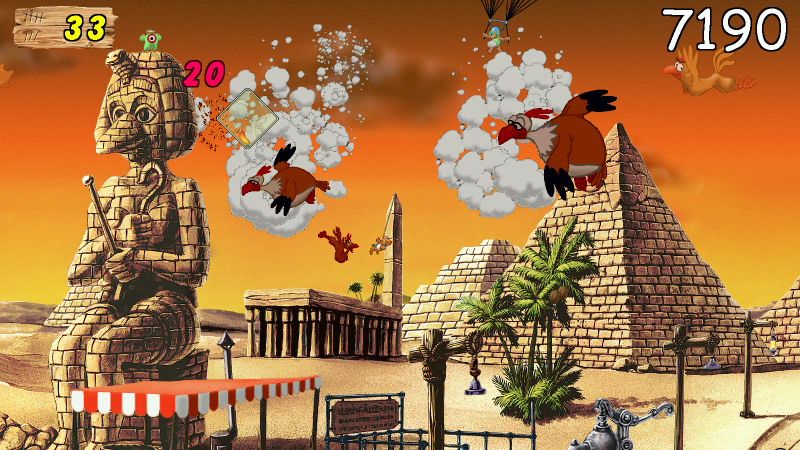
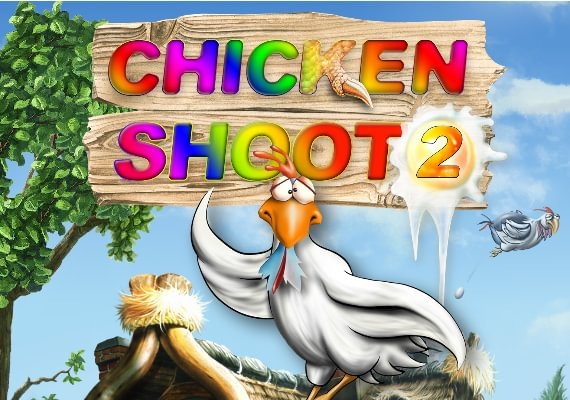
If you’ve never played it, Chicken Shoot Game is uncomplicated. Players aim at chickens and other cartoon targets that skitter across the screen. It’s all about fast eyes and a swifter trigger finger. The game is bright, loud, and rewarding. For the marathon, those simple mechanics transform into serious business. Every missed chicken equals points lost, and every second spent at a console gets added to your final run time.
Central Gameplay Loop and Appeal
What makes Chicken Shoot function in this setting is its instant grasp. You see a chicken, you shoot it. There’s no intricate backstory. This signifies a runner with jelly legs can still understand the task immediately after 10K of pavement pounding. The game’s silly chaos offers a genuine mental break from the monotony of the run, even if your fingers are now part of the competition.
Abilities Required for Success
Don’t mistake its simplicity for ease. To score high, Chicken Shoot Game, you need a surgeon’s steady hand and a chess player’s calm focus, especially when the game speeds up. These are mental skills with a physical price tag—they demand fine motor control and visual sharpness. In the middle of a marathon, that’s like asking someone to do needlepoint after a boxing round. It tests your brain’s ability to ignore your body’s complaints.
The Evolution of Blended Sports Entertainment
This marathon is greater than a gimmick. It demonstrates people will view and participate in events that mirror how we truly live—partly in the physical world, partly in the digital one. Organizers are already tinkering with the formula: shorter races, different games, team relays. The event is a prototype. It indicates a new path for sports, one where being a champion might mean working your thumbs as hard as your hamstrings.